

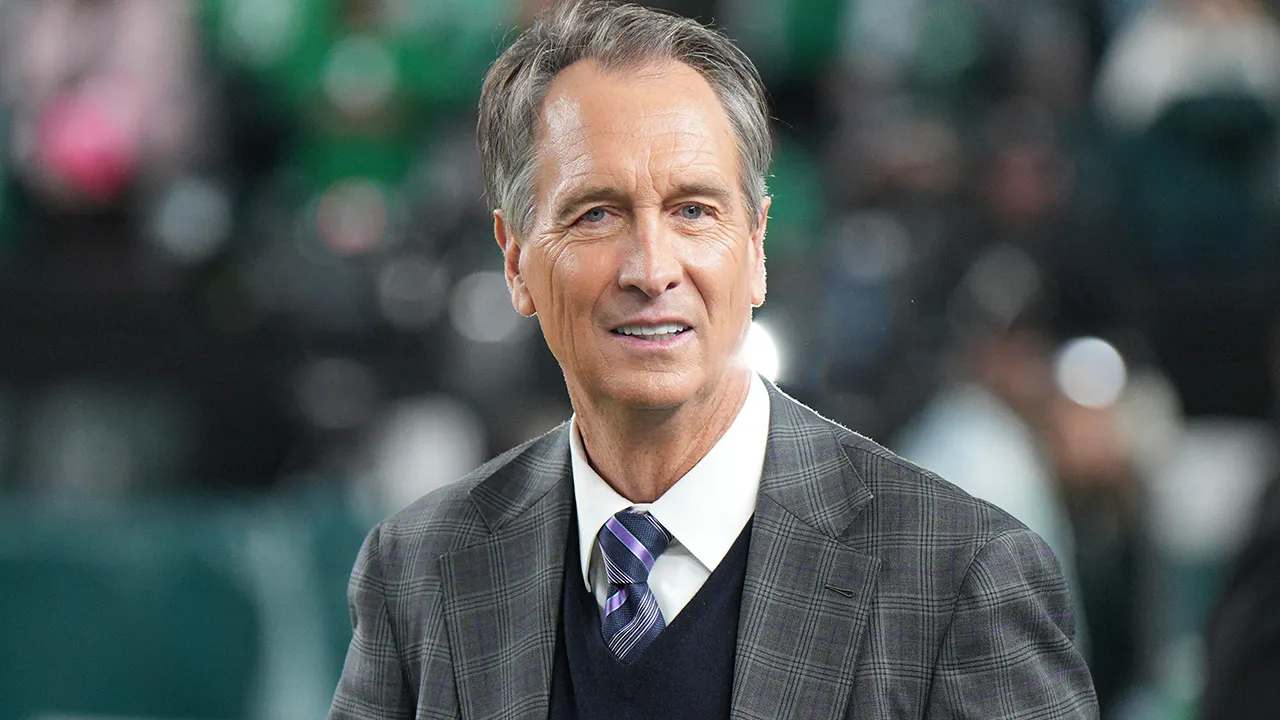
Cris Collinsworth faces scrutiny for mentions of Cowboys player’s suicide
On a crisp Sunday afternoon in October, NFL broadcaster Cris Collinsworth found himself at the center of controversy during the Dallas Cowboys’ game. As the game unfolded before a national audience, Collinsworth repeatedly mentioned the tragic death of Marshawn Kneeland by suicide. The announcer’s decision to continuously bring up such a sensitive and heartbreaking topic sparked a firestorm of criticism from viewers, fans, and mental health advocates alike.
Collinsworth’s commentary began innocently enough as he discussed Kneeland’s impact on the league and his former teammates. However, as the game wore on, his references to Kneeland’s death became more frequent and intrusive. Many felt that the broadcaster was using the tragedy as a crutch to fill airtime or create unnecessary drama. Instead of focusing on the game at hand, Collinsworth seemed fixated on Kneeland’s untimely passing, much to the dismay of those tuning in.
The backlash was swift and fierce as social media lit up with condemnation for Collinsworth’s handling of the situation. Fans took to Twitter, Facebook, and other platforms to express their outrage at the broadcaster’s insensitivity and lack of tact. Mental health advocates also joined the chorus of criticism, pointing out the dangers of glamorizing or sensationalizing suicide in the media. By repeatedly mentioning Kneeland’s death, Collinsworth was inadvertently perpetuating harmful stereotypes and stigmas surrounding mental health and suicide.
As the game drew to a close, Collinsworth’s commentary had overshadowed the action on the field. Viewers were left feeling uncomfortable and disheartened by the broadcaster’s handling of such a delicate subject. Many called for Collinsworth to issue a public apology or clarification for his remarks, while others demanded that the network take action to prevent similar incidents from occurring in the future.
In the days following the game, Collinsworth remained silent on the matter, choosing not to address the controversy or issue a formal statement. This only served to further fuel the anger and frustration of those who felt he had crossed a line with his commentary. The broadcaster’s refusal to acknowledge the impact of his words only deepened the divide between him and his critics, leaving many to question his motives and intentions.
In the midst of the backlash, some came to Collinsworth’s defense, arguing that he was simply trying to pay tribute to Kneeland and honor his memory. They pointed out that the broadcaster’s intentions may have been noble, even if his execution was flawed. However, this argument did little to appease those who felt that Collinsworth had gone too far in his references to Kneeland’s death.
The incident served as a stark reminder of the power and responsibility that comes with being a public figure, especially when discussing sensitive topics like mental health and suicide. In the age of social media and instant communication, every word spoken by a broadcaster can have far-reaching consequences and impact. Collinsworth’s misstep was a cautionary tale for others in the industry, highlighting the need for greater sensitivity and awareness when discussing such serious and complex issues.
As the weeks passed, the controversy surrounding Collinsworth’s commentary gradually faded from the public consciousness. The broadcaster continued to call games and provide analysis, but the specter of his mishandling of the Kneeland tragedy lingered in the minds of many. Viewers remained wary of Collinsworth’s commentary, unsure if he had truly learned from his mistake or if he was destined to repeat it in the future.
In the end, the incident served as a sobering reminder of the importance of empathy, compassion, and understanding when discussing sensitive topics like mental health and suicide. While it may be tempting to sensationalize or exploit such tragedies for the sake of ratings or drama, the potential harm far outweighs any short-term gain. As broadcasters and media personalities, it is imperative that we approach these subjects with care, respect, and thoughtfulness, always mindful of the impact our words can have on those who are struggling with their own mental health issues.
In the case of Cris Collinsworth, his repeated mentions of Marshawn Kneeland’s death during the Dallas Cowboys’ game may have been well-intentioned, but they ultimately missed the mark. By failing to consider the feelings and sensitivities of those affected by suicide, Collinsworth inadvertently caused more harm than good. It is a lesson that all broadcasters and media figures would do well to heed, as we strive to create a more compassionate and understanding world for all.
Source: Fox News



















 LIVE
LIVE LIVE
LIVE


